44 bad fats on food labels
Interpreting Total Fat and Types of Fat on Food Labels - Nina Cherie ... The Nutrition Facts label lays out the "total fat" in addition to the different types of fat contained in foods. Determining the type of fat can help you decide whether or not a food is rich in 'healthy' and/or 'unhealthy' fats. Trans fats and, in some cases saturated fats, are considered "unhealthy" or "bad" while monounsaturated and polyunsaturated (omega-3) fats are generally healthier alternatives or "good" fats. Food labels - NHS Amber means neither high nor low, so you can eat foods with all or mostly amber on the label most of the time. But any red on the label means the food is high in fat, saturated fat, salt or sugars, and these are the foods we should cut down on. Try to eat these foods less often and in small amounts.
How to Read Food Labels Without Being Tricked - Healthline Still, processed foods that are labeled low-carb are usually still processed junk foods, similar to processed low-fat foods. Made with whole grains. The product may contain very little whole ...
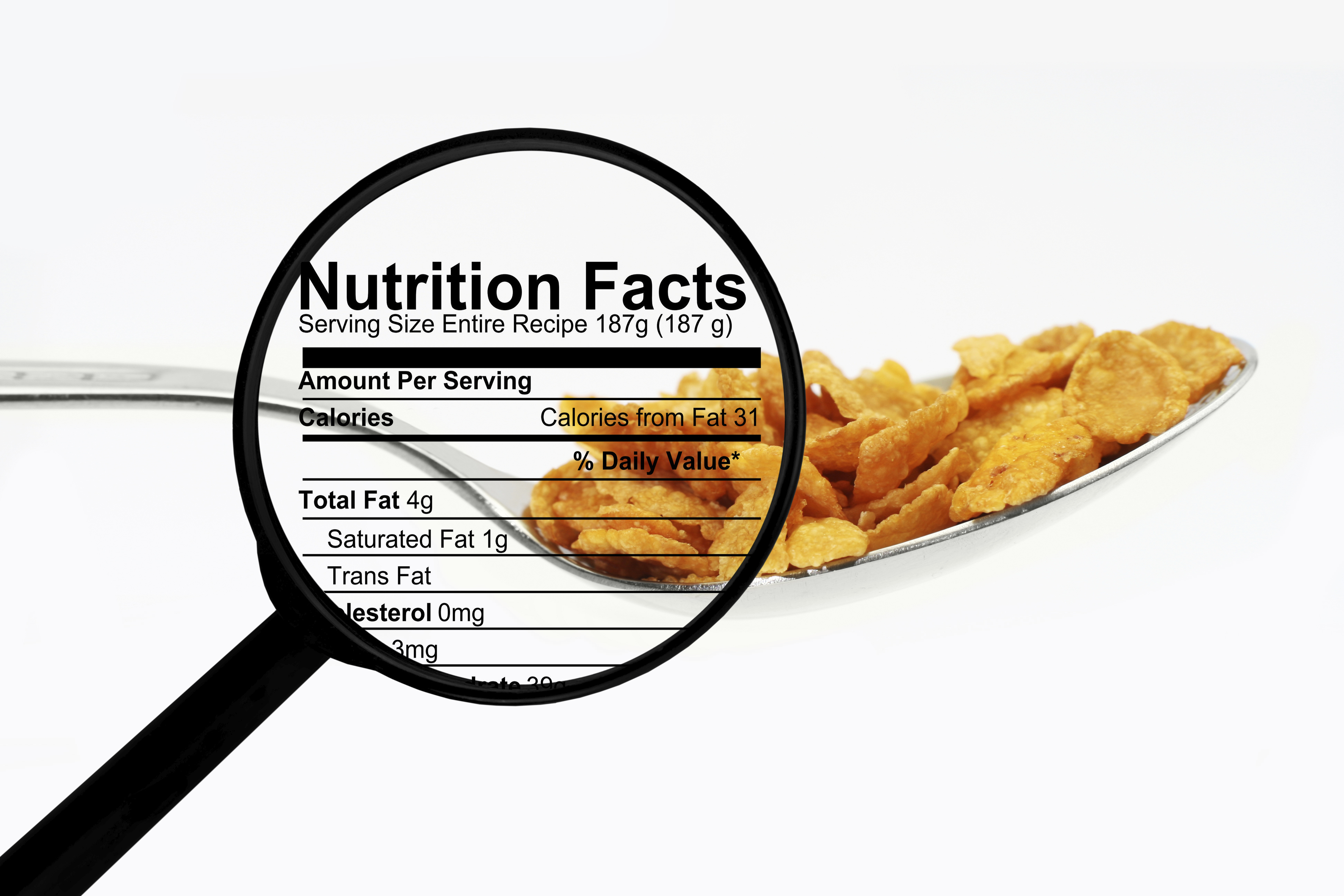
Bad fats on food labels
southgatemedical.com.au › the-bad-effects-ofThe Bad Effects Of Eating Junk Food | How To Change Your Diet For example, salad, sushi and sandwiches are healthy forms of fast food. However, most fast food restaurants, such as McDonalds or KFC serve unhealthy junk food. In Australia, 35% of an average adult’s daily energy intake and 41% of children’s daily energy intake comes from junk food. Food Marketing and Labeling - Obesity Prevention Source In the U.S., for example, after the Food and Drug Administration required manufacturers to start listing heart-harmful trans fats on the Nutrition Facts label in 2006, food makers and restaurants switched to using more healthful sources of fat. Since then, trans fat levels in the U.S. food supply have dropped, as have blood levels of trans fat. › nutritionsource › what-shouldTypes of Fat | The Nutrition Source | Harvard T.H. Chan ... Omega-3 fats are an important type of polyunsaturated fat. The body can’t make these, so they must come from food. An excellent way to get omega-3 fats is by eating fish 2-3 times a week. Good plant sources of omega-3 fats include flax seeds, walnuts, and canola or soybean oil.
Bad fats on food labels. Food Label Detective: How to Spot the Good Fats - The Dr. Oz Show Both saturated fat and trans fat amounts are clearly listed underneath "Total Fat," although some foods labeled trans fat-free may still contain small amounts (up to 0.5 grams) of trans fat. That's why it's important to also check a food's ingredient list. Avoid foods that contain "partially hydrogenated oil," which means trans fat is present. On some food labels, there is also just an indication of how much fat is contained in a product but there is no differentiation between good and bad fats. Even though all kinds of fats contain a similar amount of calories, there are still huge differences regarding their health effects. › articles › 318630Processed foods: Health risks and what to avoid Most food needs some degree of processing, and not all processed foods are bad for the body. However, chemically processed foods, also called ultra-processed foods, tend to be high in sugar ... Ottawa urged to move ahead with food warning labels despite call to ... The new labels would be required for any foods high in sugar, salt or saturated fat - any prepackaged food product with more than 15 per cent of the daily recommended intake. In Chile, where...
How to Read a Food Label & How to Find Unhealthy Hidden Ingredients These types of fats help children absorb vitamins and compliment cognitive skills. However, too much of any fat can be burdensome and lead to weight gain. Now when reading a food label, you need to make sure that the product does not have too much saturated fat; and that it does not have any trans fats. Trans fats should be avoided. Trans Fat How to Understand and Use the Nutrition Facts Label | FDA Saturated fat, sodium, and added sugars are nutrients listed on the label that may be associated with adverse health effects - and Americans generally consume too much of them, according to the... Fat Facts: Good Fats vs. Bad Fats - WebMD The two fats to limit are: Saturated fat found in meats, butter, cream, or ice cream, and other foods with animal fat. Trans fat, a man-made fat found in some margarines or packaged baked. Here are... Don't Be Fooled By These Food Labels - Health.com Trans fat is bad for your heart, and the ideal intake is zero. But products that say no trans fat can actually contain less than 0.5 grams per serving. ... A food label may say a product, such as ...
avocadosfrommexico.com › good-fats-and-bad-fatsGood Fats in Avocados | Avocados From Mexico Good fats can also substitute for bad fats in your diet, thereby allowing you to shift to unsaturated fat sources that benefit your body, especially your cardiovascular system (heart and blood vessels). 2015-2020 Dietary Guidelines for Americans recommend switching from bad (saturated) fats to good (unsaturated fats) as your primary fat source ... Understanding Food Nutrition Labels | American Heart Association When the Nutrition Facts label says a food contains "0 g" of trans fat, but includes "partially hydrogenated oil" in the ingredient list, it means the food contains some trans fat, but less than 0.5 grams per serving. So, if you eat more than one serving, you could end up eating too much trans fat. Food Labels: 5 Harmful Ingredients To Avoid - ThePostGame.com Here are some of the worst ingredients that are added to many foods that you should look out for and avoid: Partially Hydrogenated Oil Partially hydrogenated oil is another name for a trans fat.... Easy Guide to Understanding Food Labels When You Have High ... - MyDoc Saturated fat is a type of fat that raises your total and LDL cholesterol and risk of heart disease, so intake should be limited. The average adult should consume less than 20 grams of saturated fat per day. Trans fat is more harmful and damaging to the arteries as it raises LDL (bad) cholesterol and lowers HDL (good) cholesterol.
How can I tell if food is high in saturated fat, and will unsaturated fat help me lose weight ...
Food Labeling & Nutrition | FDA Food labeling is required for most prepared foods, such as breads, cereals, canned and frozen foods, snacks, desserts, drinks, etc. Nutrition labeling for raw produce (fruits and vegetables) and...

What Is Bad About Mono- & Diglycerides? | LIVESTRONG.COM
Facts about fat - NHS Polyunsaturated fats can also help lower the level of "bad" LDL cholesterol in your blood. There are 2 main types of polyunsaturated fats: omega-3 and omega-6. ... Buying lower fat foods. The nutrition labels on food packaging can help you cut down on total fat and saturated fat (also listed as "saturates", or "sat fat").
How Food Labels Are Making Us Fat (Infographic) - mindbodygreen
7 Nutrition Label Ingredients to Avoid - Walker Methodist Simply replacing trans-fats with healthy fats could decrease your risk of heart disease by 53 percent. Partially Hydrogenated Oils Partially Hydrogenated Oil is another form of trans-fat to watch out for on nutrition labels. This type of trans-fat is known to clog arteries and contribute to obesity and heart disease. High Fructose Corn Syrup (HFCS)

Trans Fatty Acids - Learn How To Identify Trans Fats in Foods
Food Labels | CDC All the numbers on this label are for a 2/3-cup serving. This package has 8 servings. If you eat the whole thing, you are eating 8 times the amount of calories, carbs, fat, etc., shown on the label. Total Carbohydrate shows you types of carbs in the food, including sugar and fiber. Choose foods with more fiber, vitamins, and minerals.

The day I discovered the truth about trans fats: ‘poison’ hidden in plain sight | News, Sports ...
Health Canada's proposed warning labels on foods like ground beef are ... Health Canada has proposed introducing mandatory nutrition labelling that will warn Canadians of foods that are high in saturated fat, like ground beef. Different from our current nutrition labels ...

9 Foods to Avoid When You Have Type 2 Diabetes | Everyday Health
13 Misleading Food Label Claims and How Not to Be Tricked Products labeled sugar-free may also have higher levels of fat in order to make up for the taste and texture that is lost when sugar is removed. 2. Label Says "Fruit-Flavored" Reading on a label that a product is fruit-flavored suggests that the product is flavored with real fruit. This, however, is not necessarily the case.

Food Labels: What does the 'low fat' label actually mean?
What Are the Fats Not Listed on Nutrition Labels? - SF Gate The nutrition facts label highlights the fats that you should limit in your daily diet. It lists the amount of total fat you'll get in one serving of that product, followed by the amount of...

The Truth Behind Fat Free or Low Fat Food Which No One Has Ever Told You by MunFitnessBlog.com
Understanding food labels 101 - Heart Foundation Bad fats ; Animal fat, beef fat, butter, chocolate, carob, coconut oil, cream, dripping, ghee, hydrogenated oils, lard, margarine, milk solids, monoglycerides, palm oil, seeds, nuts, coconut, tallow, shortening, trans fats, vegetable fat. Salt ; Baking soda, salt, MSG (monosodium glutamate), any word containing the term sodium, nitrates, nitrites. 3.
How Food Labels Are Making Us Fat (Infographic) - mindbodygreen
How food labels can mislead shoppers about fat content But labels that promote a host of foods as 'light' or lower fat are making empty claims, a consumer watchdog has found. Everyday products from fruit loaf to crisps, butter alternatives to cheese ...

3 Easy Ways to Make Sure Your Kids Aren't Fooled by Food Labels {GUEST POST}
safefood | How to read food labels How do I know if a food is low, medium or high in fat, saturated fat, sugar and salt? Some labels use colour coding to show at a glance if a food is high, medium or low in fat, saturated fat, sugar and salt. Low (green) - the best choice Medium (amber) - okay most of the time High (red) - only choose occasionally. If the label isn't colour coded, use our label decoder as a guide.

Oils Comparison Chart | Healthy oils, Good and bad fats, Cooking oils
Food Labels: Fat & Cholesterol | Home & Garden Information Center Limit these sources of unhealthy fat and cholesterol in the list of ingredients: animal fat (beef, ham, pork, bacon, lamb, chicken, turkey), lard, hardened fat or oil, egg and egg-yolk solids, cream, butter, whole-milk solids, palm oil, palm kernel oil, hydrogenated vegetable oil, vegetable shortening, coconut, coconut oil, and cocoa butter.
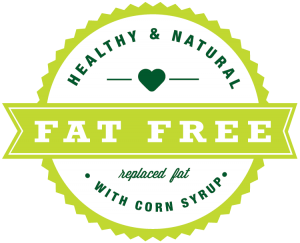
What Food Labels Should Really Say (if they were being honest!) - Safer America
Fat Content on Food Labels - Reading Between the Lines The Mayo Foundation continued, "Still, you may be able to tell if a product contains trans fat, even if it's not directly listed on the food label. Look for the words ' hydrogenated ' or 'partially hydrogenated' in the list of ingredients. These terms indicate that the product contains trans fat.

Janice Pearl - The Person: The Rich Man's Food Dilemma
Food labels - Better Health Channel Low fat - must contain less than 3% fat for solid foods (1.5% for liquid foods). Fat free - must be less than 0.15% fat. Percentage of fat - remember 80% fat free is the same as 20% fat, which is a large amount. Good source of - must contain no less than 25% of the recommended dietary intake (RDI) for that vitamin or mineral.

FITNESS SOLUTIONS - ALL ABOUT FITNESS - EXERCISE - MUSCLE: 3/1/11 - 4/1/11
› nutritionsource › what-shouldTypes of Fat | The Nutrition Source | Harvard T.H. Chan ... Omega-3 fats are an important type of polyunsaturated fat. The body can’t make these, so they must come from food. An excellent way to get omega-3 fats is by eating fish 2-3 times a week. Good plant sources of omega-3 fats include flax seeds, walnuts, and canola or soybean oil.

Nutrition Page 1 - Sorted by Article Rank High to Low
Food Marketing and Labeling - Obesity Prevention Source In the U.S., for example, after the Food and Drug Administration required manufacturers to start listing heart-harmful trans fats on the Nutrition Facts label in 2006, food makers and restaurants switched to using more healthful sources of fat. Since then, trans fat levels in the U.S. food supply have dropped, as have blood levels of trans fat.
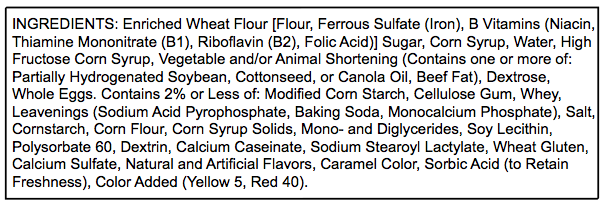
Processed Foods: The Good, the Bad, and the Healthy? | Engineering360
southgatemedical.com.au › the-bad-effects-ofThe Bad Effects Of Eating Junk Food | How To Change Your Diet For example, salad, sushi and sandwiches are healthy forms of fast food. However, most fast food restaurants, such as McDonalds or KFC serve unhealthy junk food. In Australia, 35% of an average adult’s daily energy intake and 41% of children’s daily energy intake comes from junk food.

Low Fat Food Service Medical Labels - Free Shipping
Post a Comment for "44 bad fats on food labels"